
SEPTEMBER NEWSLETTER 2020
IN THIS NEWSLETTER...
VIP Wines of the Month
Report from the Tasting Room
Report from the Cellar
Report from the Farm
Report from The Little River Bakehouse
Report from Locksley Farmstead Cheese
Note from Jenni
It's Harvest Time! Harvest is a particularly exciting time of year on the farm. All the hard work that Freddi and his crew have done in the vines culminates in picking the fruit and getting it into the hands of our winemakers. It's a big relief when the fruit is safely in the cellar going through the first steps in it's transformation into wine. From the formation of the first buds in spring until the clusters are snipped from the vine anything can happen. The forces of nature are unpredictable and uncontrollable. A late frost can mean losing and entire crop, a hail storm can damage fruit and tear leaves opening the door for disease. Too much rain, too little rain, rain during harvest, too hot, too cold all of these conditions affect the quality and quantity of fruit. Then just when the fruit reaches ripeness birds, bears, turkey, racoons and fruit flies realize that we've grown a delicious treat just for them! Fortunately all signs point to a bountiful harvest of high quality fruit, so cross your fingers for Freddi and his crew along with the winemakers and cellar interns. They have a very busy couple of months ahead of them before they can really enjoy the fruits of their labor (pun intended)!
When you visit, please remember that we are still operating under COVID restrictions. Social distancing at all times and wearing masks while in the building are still mandates that everyone must observe. You can see the full list of rules by clicking here.
Due to our current operating restrictions related to the COVID-19 virus, we will not be holding our monthly VIP pickup party in August. Stay healthy and we will see you when things return to normal!
Our hours are 12:00pm - 6:00pm Monday - Thursday, 12:00pm - 8:00pm Friday and Saturday, and 12:00pm - 7:00pm Sunday. We have great wine, hot pizza, take-home pizza kits, farmstead cheese, fresh bread, eggs, and more - all availble 7 days a week. You can place your order ahead of time by calling 540-687-8222 or stop by to place your order at the window.
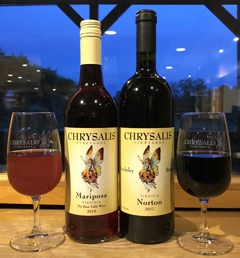
The white wine selection for September is Chrysalis Vineyards 2019 Mariposa. This wine showcases two different winemaking styles for rosé. Tannat, Petit Verdot, and Tinta Cao are macerated into the press and left to rest on the skins for color extraction before being pressed. The Nebbiolo is saigneed (French for “to bleed”) into the tank to further embellish the cherry flavors. The combined winemaking techniques demonstrate a fruity wine with delicate acid that will leave you wanting more. A salad of fresh greens topped with grilled salmon and lemon vinaigrette and a glass of cold Mariposa is a refreshing match on a warm summer evening.
The red wine selection for our VIP Club members this month is Chrysalis Vineyards 2017 Locksley Reserve Norton. The 2017 vintage of our flagship red is a perfect blend of Norton, Tannat, and Petit Verdot. Smooth, dark, and sophisticated, notes of spice and cherries carry the aromatics to the palate. Dark chocolate, raspberry, and subtle earthy tones reflect old world flavors. The backbone of the wine is reinforced with firm tannins from the Tannat and an espresso finish. A touch of Petit Verdot works to push ripe blueberries and plum. Try this with some Prince John washed-rind cheese from Locksley Farmstead Cheese Co. The wild, meaty and savory flavor of this cheese is the perfect complement!
As a reminder to our members, all VIP wine is available for pickup at the Ag District Center tasting room anytime during regular business hours. If you can’t make it out to pick up your wines on a monthly basis, we will hold them for you. Due to storage limitations, however, we do ask that you pick them up once you accumulate a case (6 months). We can also arrange for wine to be shipped to most locations, at your request.
Also, please remember that you can always find your paired recipes and detailed tasting notes at www.ChrysalisWine.com in the Private VIP Club Area. Also check in with us or follow us on Facebook for updates and announcements.
NOTE: Please do not reply to this emailed Newsletter. Your email will not be handled in a timely manner or may even be lost.
REPORT FROM THE TASTING ROOM
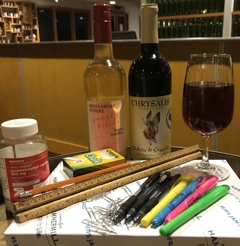
Normally September is the time when we invite parents to celebrate the kiddos going back to school by taking an afternoon off to enjoy a glass of wine, some great food and a little peace and quiet at the Ag District. With most school districts opting for online classes many of you will be doing double duty as parent and teacher. We know that this will be a challenging and stressful time, so be sure to stop by the tasting room before classes start for an end of summer treat! While you're here finish up your school supply shopping with a few bottles of your favorite Chrysalis Vineyards wine.... you're gonna need it! All kidding aside, when you and the kids need a break from home come on out for lunch. We've got great pizza and paninis 7 days a week plus WiFi and the best classroom views around!
Cheers!
Laurie Stevens, Tasting Room Manager
REPORT FROM THE CELLAR
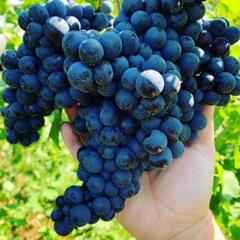
The moment we have been working toward all year is here, harvest! We begin our harvest with picking the Albarino for everyone’s favorite Albariño Verde. As mentioned in last month’s newsletter, we start picking the fruit for the Verde at 19 brix and a pH of 3.3; giving us the perfect chemistry for the racy white wine that our Albariño Verde is. After the Verde harvest we will begin to turn our attention to one of the trickier wine styles, a rosé. Truth be told, the most popular topic in the cellar currently are the rosés. Despite popular belief, making a great rosé can be one of the most daunting challenges in the cellar. This is due to a couple of things in particular: color and ripeness.
When producing a rosé wine, the best place to start is in the vineyard. Instead of narrowing in all of our focus on the brix, we also analyze the pH and color of the juice. Rosé is often viewed as a white wine made from red grapes. With this in mind, ripeness is viewed the same as a white wine. Which is why we focus more on the pH and acids in the fruit as opposed to brix and physiological ripeness.
The most difficult part in rosé production is getting the color just right. With a few exceptions, squeezing red grapes produces white juice. This is because anthocyanins or color pigments reside within the grape skins. Meaning, when you press the skins harder you will release more anthocyanins and gain a more intense color. There are two popular methods for increasing color for a rosé.
The most common method is maceration. Simply put, maceration is when you crush the grapes and allow them to steep with their skins. As time passes, more color is extracted. The fruit is then pressed off the skins at the desired intensity of color. This style of rosé tends to be darker in color and more fruit forward.
Saignée is another method. This French word translates into English as the phrase “to bleed”. Which makes sense, since the method is the process of siphoning off juice from freshly crushed and destemmed red wine grapes to make a rosé. This style of rosé lends itself to wild strawberries, raspberry, and some herbaceous flavors due to the ripeness level of the red grapes. These wines tend to be more intense on the front of the palate and lengthier than more delicate rosés.
At Chrysalis we produce two very distinct rosé wines which utilize both methods. Our Mariposa is produced from both maceration and saignée. Our Petit Verdot, Tannat, and Tinta Cao are macerated to increase color, but a saignée is performed on the Nebbiolo to extract dark berry flavors. Our other rose is the Tximeleta. The grapes for this wine are picked early and go through a brief maceration before being lightly pressed. This style focuses more on the varietal characters of our Fer Servadou, which has a profile of wild berries, white pepper, and delicate acid. Both rosés can be enjoyed in our tasting room right now!
Jake Blodinger, Assistant Winemaker
REPORT FROM THE VINEYARD
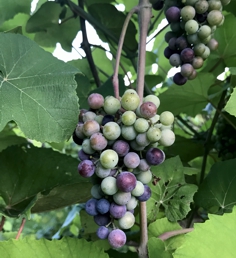
Harvest is here and the vineyard crew has begun the race to pick the fruit in a timely fashion. I’m happy to report that the vineyard is in outstanding health and we will have a bountiful harvest proceeded by terrific wine. The mornings are beginning to cool down, making it perfect for picking fruit. If you remember last year, I mentioned that the crew starts early in the morning to ensure the fruit won’t cook in the bins before they arrive at the winery for processing.
I often wonder if nature sends out some kind of newsletter to let all the animals know “it’s harvest here at Chrysalis”. We have begun to see a signs of some deer and bird damage. In response, Freddi and crew leaped into action with the deterrents. Tall deer netting is wrapped around entire blocks of our white varietals to discourage any unwanted grazing. Our netting stands about 6ft high and creates a depth perception illusion, meaning it’s hard for the deer to gauge whether or not they can hop over to the fruit. Though, we do occasionally get the brave buck who of course, jumps in like it’s the standard procedure.
For the birds, we have a few forms of deterrents. The first and most common are balloons that look like a target was painted on them. To smaller birds this looks as if large predatory birds are watching them. If you were to drive out to the Graciano in the vineyard, you’ll notice silver tape that has been wrapped around the end posts and catch wires. This reflects this sun and makes an unpleasant crinkling noise that drives birds nuts while they try to enjoy a delicious meal of Loudoun Counties finest fruit. The last bird scare technique utilized here at Chrysalis Vineyards, are speakers that emit the sounds of birds in distress. To other avian critters this creates distress and acts as a warning. These tools discourage any wildlife from enjoying the terrific fruit that Freddi spends all year growing.
All in all the Albariño is in impeccable shape and the ripeness is spot on for our Verde this year! Our Fer Servadou looks incredibly ripe, but the chemistry doesn’t match yet. Just a few more weeks before we start producing the Tximeleta. As always the Norton looks wonderful, but we are still weeks away. I can happily say that 2020 is going to be an exciting vintage…weather permitting of course!
Jake Blodinger, Assistant Winemaker
REPORT FROM THE LITTLE RIVER BAKEHOUSE
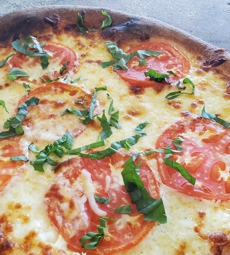
Hello, from The Little River Bakehouse. This summer has been a hectic one to say the least and we have been firing on all cylinders the whole time. Over the last year I have been building this kitchen up to be a place where good comforting food is produced with an emphasis on fresh locally sourced ingredients. This past month I have started to move my focus on sourcing ingredients that are in season from local producers. This has meant spending my time outside of the kitchen roaming the countryside for tomato farms. The work is worth it though and the quality of just the Margherita pizza with a locally sourced tomato has been great.
Going into the Autumn season I'll be adding a few seasonal pizzas as well as bringing back a favorite, The Smoked Apple, Bacon and Little John Cheddar pizza. However one of our summer pizzas will be added to our menu permanently, the Sausage, Roasted Mushroom and Nottingham Gouda Pizza. Come on out and see what we are making with a new weekend specialevery Friday.
Keaton Beus, Little River Bakehouse Manager
REPORT FROM LOCKSLEY FARMSTEAD CHEESE COMPANY
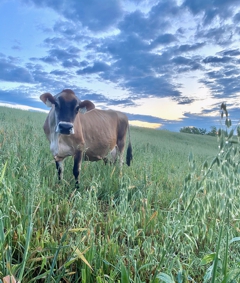 As we transition from the long, hot days of summer to the cool, breezy days of fall, our hard working ladies are looking forward to the much more favorable weather ahead. Did you know the comfort zone of dairy cattle is between 41 and 68 F°? This means that at any temperature above this range a cow experiences what is known as “heat stress.” In Virginia, it is uncommon during the summer months that the nights cool off much below 68 F° or at all! These hot days are very tough on cattle as they never get a break to completely cool off and relax like you and I can each night in our air conditioned homes. This stress causes their milk production and butterfat, to decrease as they aren’t eating as much, and instead are drinking more water. Additionally, for every 1 day a cow is heat stressed, it takes 3 days to completely rebound from this stress.
Our dairy manager Steven has done an awesome job in making sure our ladies are kept comfortable! During the summer months, the cows go out on pasture at night when it is coolest and are kept up close to our “pack” barn during the day. They have free access to walk under the sprinklers, giant fans with misters, or to lay under the shade of the barn. These are all things we have implemented to reduce heat stress over the summer months in our cattle. Making sure our ladies are happy and healthy is the most important thing to us. After all we believe that happy cows make the best milk, which in turn makes the best cheese!
Erin Saacke, Cheesemaker
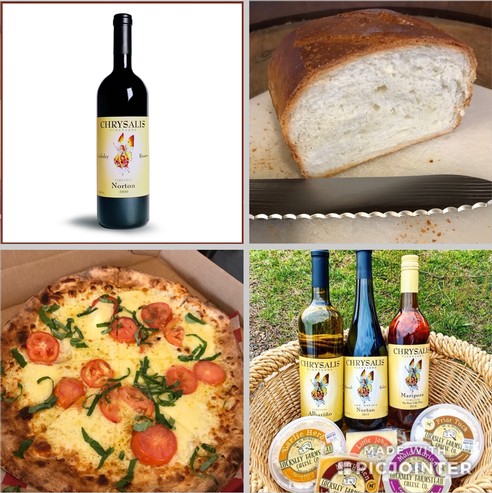
Todd Kliman, my friend and author of The Wild Vine: A Forgotten Grape and the Untold Story of American Wine (a book about the Norton grape and those folks who embraced it… like moi!), visited us today at Locksley Estate. He came at my invitation to talk about how we might more effectively communicate our passion and vision… what we’re really doing here on this land. He’s such a great observer and communicator and I really wanted to hear his perspective.
He said something that hit home. “Real craft… real craftsmanship and care in the hand making of something is timelessly valuable to people”, he said. “This is what you do here, Jenni.” With so many things that are superficial and… well, crummy, I was so proud to hear him say that. It’s something that I’ve thought many, many times over the years; that when you make something without compromise, without cutting corners, it brings a great sense of accomplishment and a great sense of gratitude for all those that have helped in the effort. And, somehow, this becomes part of the thing created, and conveys the very passion and soul of the makers.
Anyway… come experience… come taste… our passion!
Stay healthy… and take care,

Jennifer McCloud
Chrysalis Vineyards at The Ag District
39025 John Mosby Highway (Tasting Room/Creamery/Kitchen)
23876 Champe Ford Road (Winery/Milking Center/Offices)
Middleburg, VA 20117
McCloud@ChrysalisWine.com
Office: 540-687-8222
www.ChrysalisWine.com
Facebook.com/ChrysalisVineyards